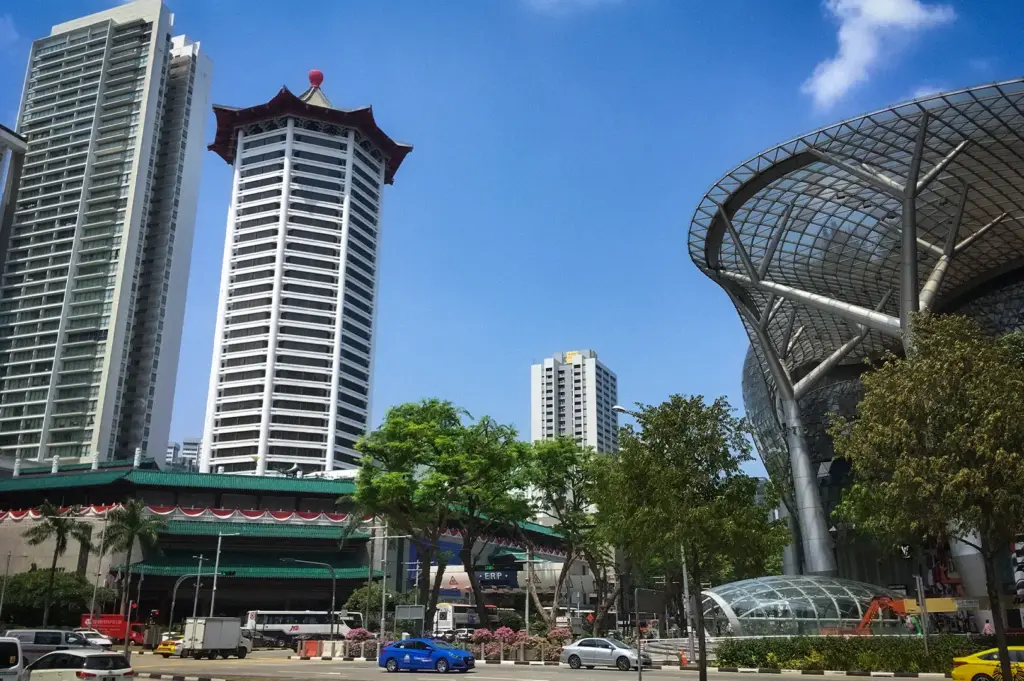
There’s something familiar about walking along Orchard Road. The crowds moving between shopping malls, friends meeting for afternoon coffee, and families deciding where to eat after a long day of shopping are all part of its everyday rhythm.
For many Singaporeans, Orchard Road is more than a shopping destination. It’s a place connected to childhood outings, weekend traditions, and memories made over shared meals. But behind its modern buildings and bustling streets lies a history that explains how this neighbourhood became one of Singapore’s most famous attractions.
What Makes Orchard Road Special in Singapore?
Located within Singapore’s Central Area, Orchard Road stretches approximately 2.2 kilometres from the Tanglin vicinity towards Dhoby Ghaut.
Today, it’s recognised as an upscale shopping area filled with retail outlets, restaurants, hotels, and entertainment spaces. Visitors come for retail therapy, while locals often see Orchard as a convenient meeting place.
What makes the district interesting is its variety. Luxury shopping exists alongside everyday dining options, while quieter heritage streets remain within walking distance of modern developments. It’s this combination that makes Singapore Orchard Road a popular hotspot for tourists and residents alike.
Orchard Road’s History: Before the Shopping Malls
Long before the bright storefronts and towering buildings, Orchard Road was surrounded by fruit orchards, nutmeg plantations, and pepper farms. During the 1830s, the area was largely agricultural. Its name is believed to have originated from the orchards that once occupied the land.
As plantations declined, residential houses gradually appeared along nearby roads, including Scotts Road and areas extending towards Tank Road. Major commercial development accelerated during the 1960s and 1970s, transforming the neighbourhood into Singapore’s shopping district.
Today, little remains of those early plantations, but the street’s name preserves a connection to its past.
Understanding ION Orchard, Ngee Ann City and Singapore’s Shopping Malls
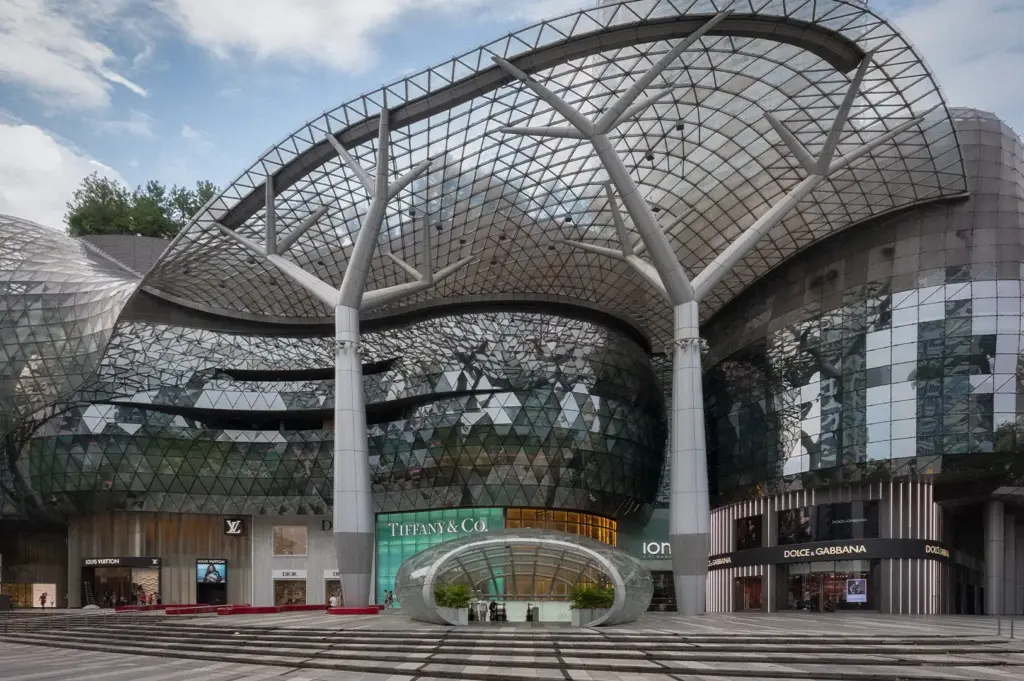
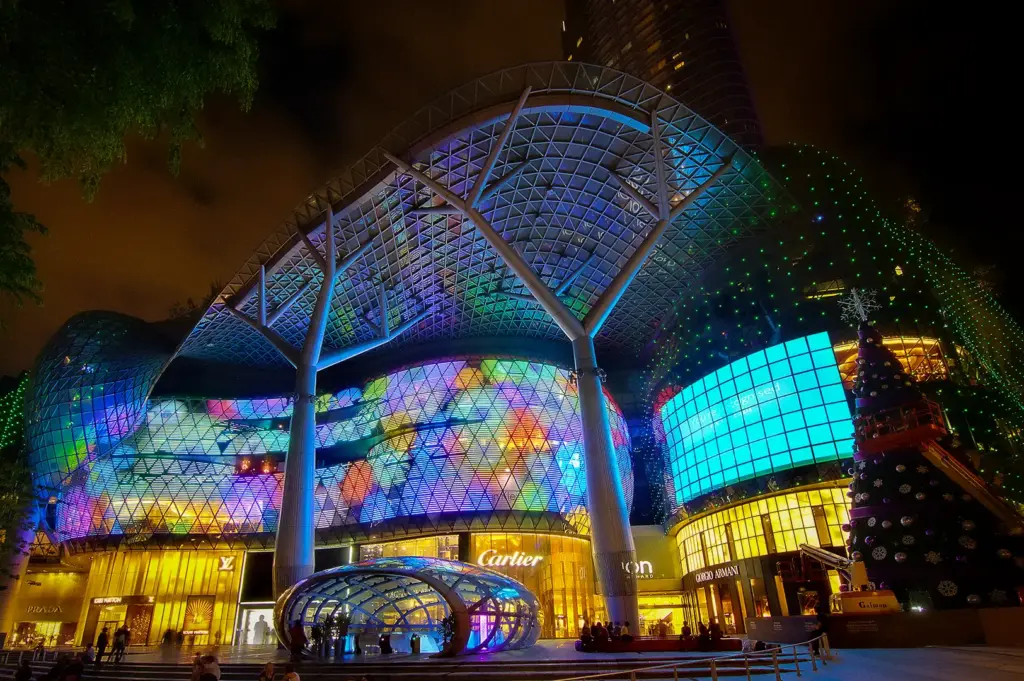
Shopping malls have played an important role in Orchard Road’s transformation. Landmarks such as ION Orchard, Ngee Ann City, Shaw House, Wheelock Place, and Mandarin Gallery illustrate how different generations of shopping developments have shaped the district.
Other established retail complexes, including Far East Plaza, reflect the area’s varied shopping history. Rather than functioning solely as places to purchase goods, these malls have become everyday social spaces. People gather here for meals, meet friends after work, or simply enjoy spending time together.
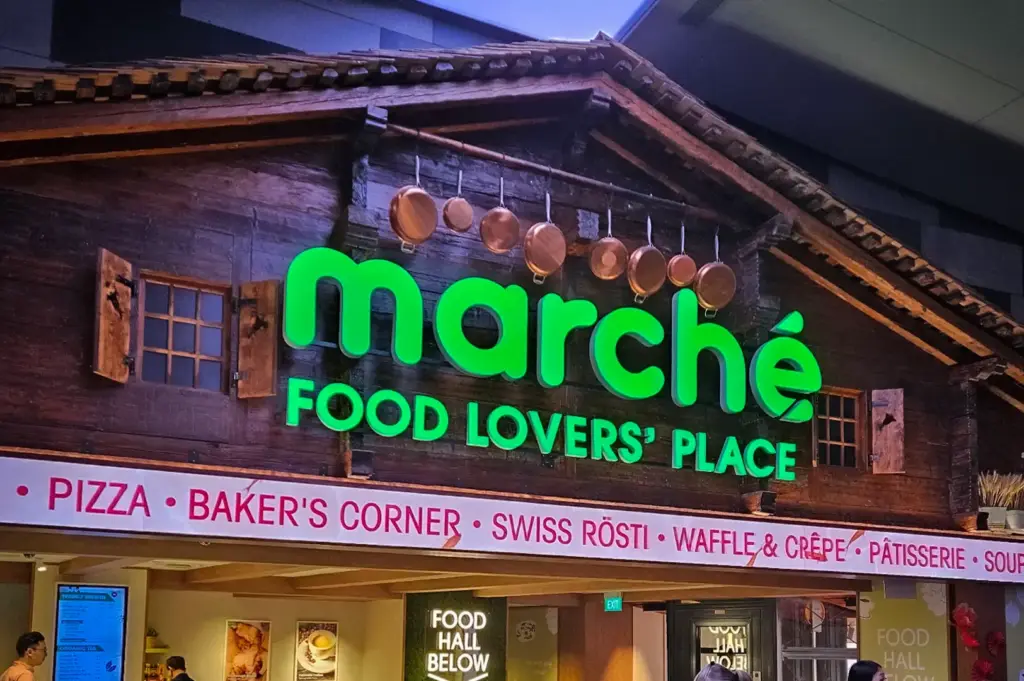
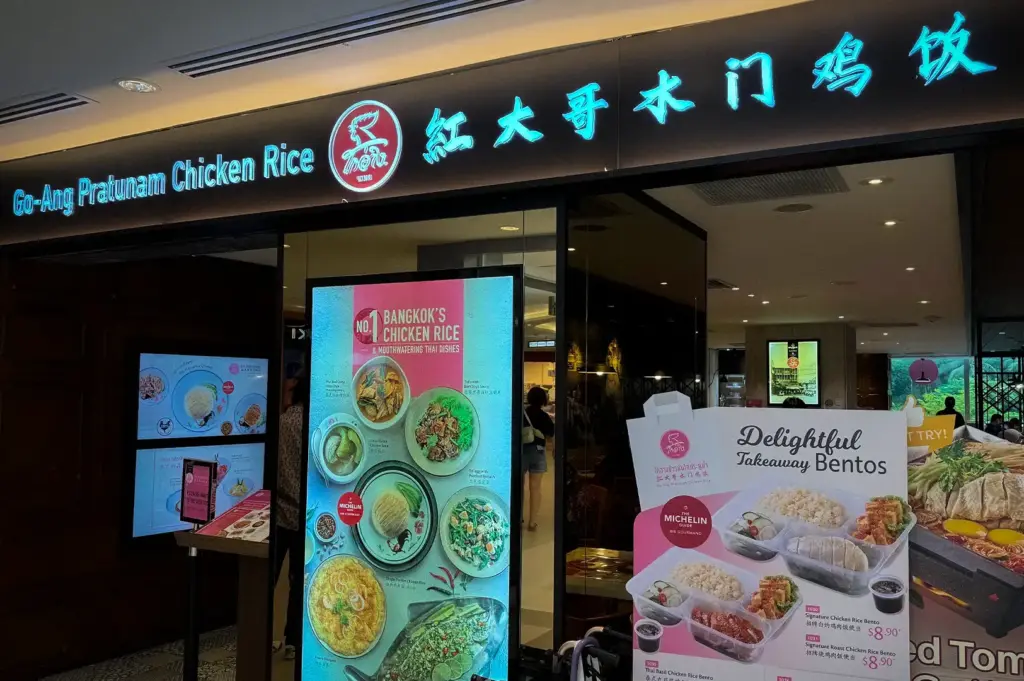
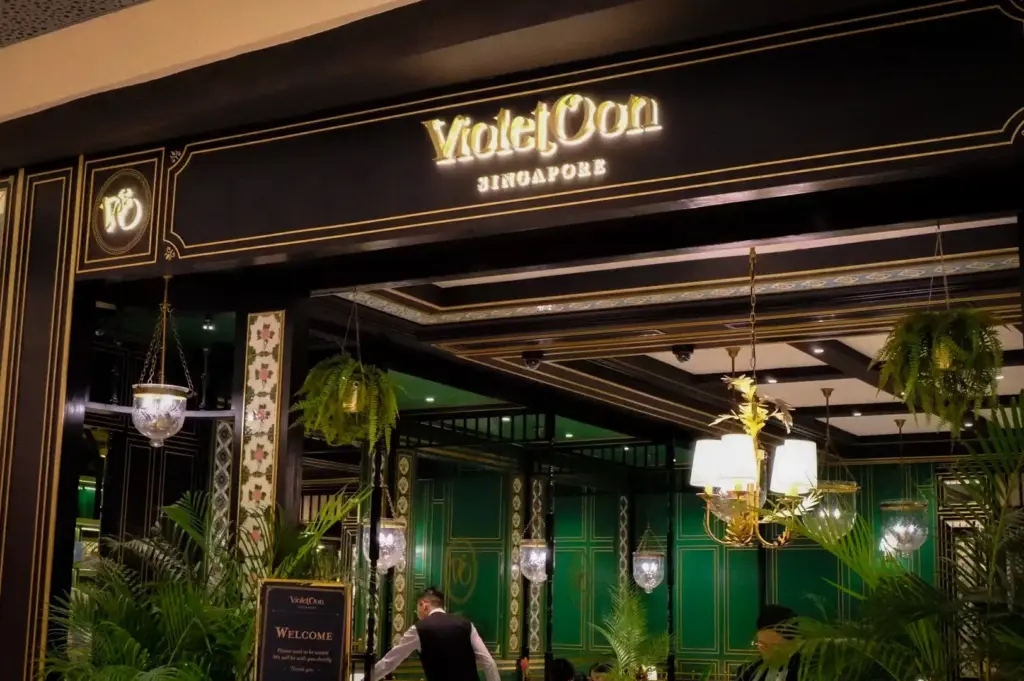
This is also why food courts and restaurants matter to Orchard Road’s identity. Dining provides a reason to stay even after the shopping is finished. For readers interested in exploring Orchard Road’s dining scene, Orchard Food Singapore offers a curated guide to restaurants worth discovering across the district.
Retail Therapy and the Changing Shopping Experience
Shopping along Orchard Road has changed considerably over the years. What once centred on department stores and traditional retail has expanded into a mixture of luxury boutiques, lifestyle spaces, entertainment, and dining.
A shopping mall today may accommodate several activities under one roof, allowing visitors to spend an entire afternoon without travelling elsewhere. Yet the importance of these spaces goes beyond convenience.
For many people, a familiar mall becomes part of their personal history, remembered through school-holiday outings, family dinners, or casual weekend gatherings.
Emerald Hill: A Glimpse Into Orchard’s Past
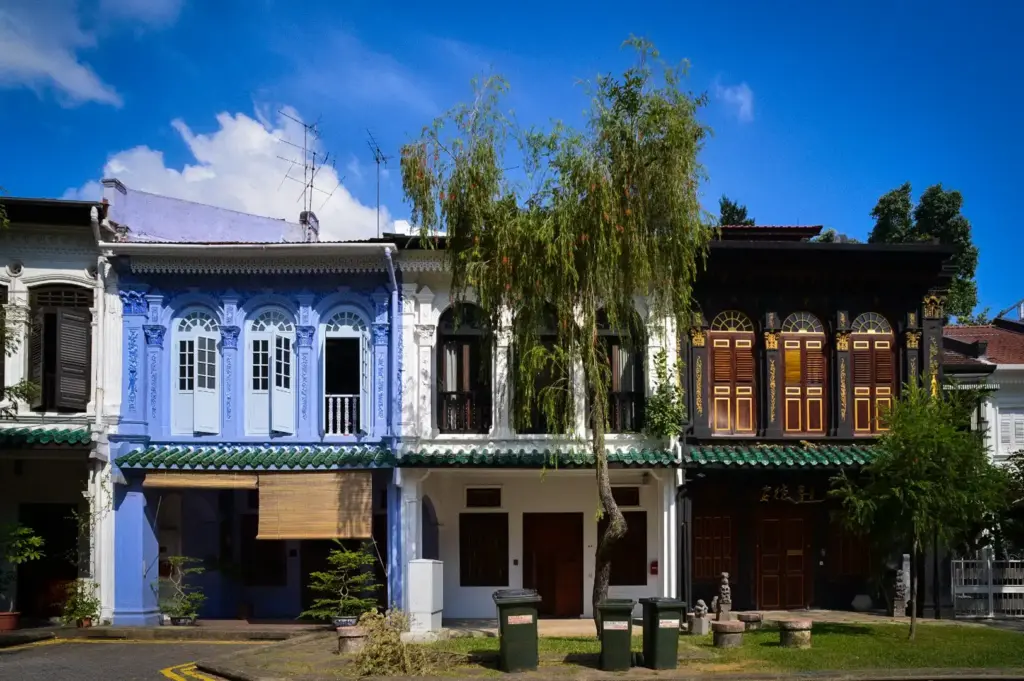
Just beyond the busy shopping street, Emerald Hill offers a different perspective on the neighbourhood. Known for its conserved shophouses and historic residences, the area reflects Singapore’s Peranakan heritage. Many houses feature decorative tiles, wooden shutters, and architectural details that contrast with Orchard Road’s modern skyline.
Emerald Hill became a residential neighbourhood during the early twentieth century and was designated a conservation area in 1989. A walk through its quieter streets reveals another side of Orchard, where history remains visible through the buildings themselves.
Orchard Hotel and the Role of Hotels in the District
Hotels have also influenced Orchard Road’s development as an international destination. The Orchard Hotel area, along with surrounding accommodation developments, reflects how tourism became connected to the shopping district.
- For visitors, staying near Orchard provides convenient access to retail, dining, entertainment, and public transport.
- For locals, hotels are also familiar landmarks associated with celebrations, family gatherings, and special occasions.
Together, these spaces contribute to Orchard Road’s identity as a neighbourhood shaped by both tourism and everyday Singaporean life.
Singapore Botanic Gardens: Nature Beyond the Shopping District
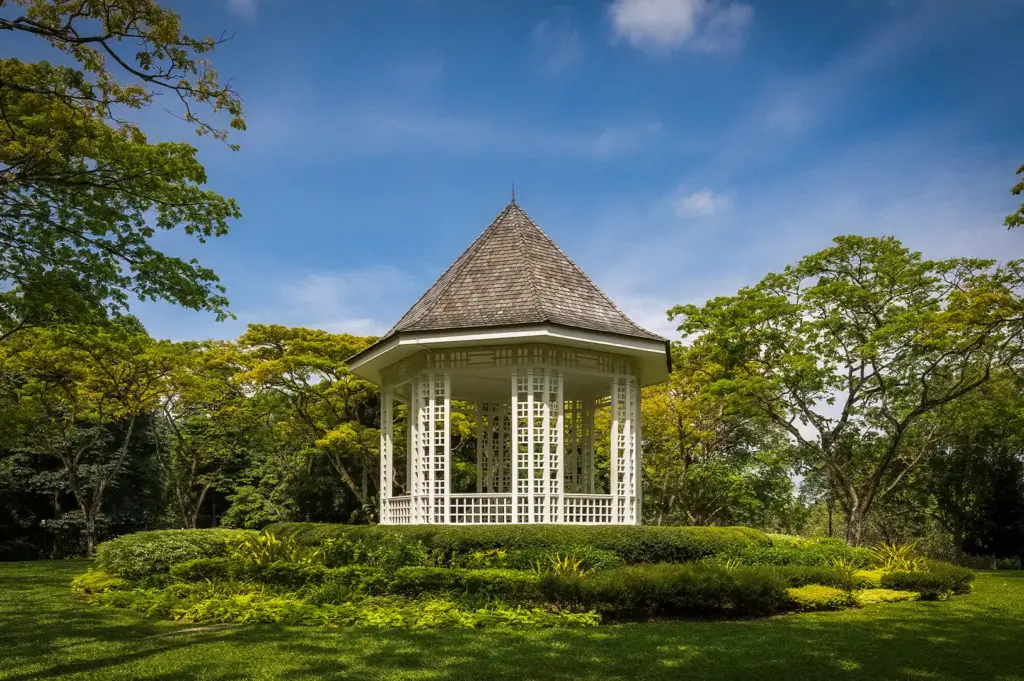
Although Orchard Road is famous for shopping, greenery remains an important part of its surroundings. The Singapore Botanic Gardens, located west of the main shopping district, provide a quieter environment for walking and recreation. Established in 1859, the Botanic Gardens became Singapore’s first UNESCO World Heritage Site in 2015.
The gardens preserve an important part of the country’s horticultural history while remaining a place for residents and tourists to enjoy nature. For visitors exploring Orchard, the gardens offer a contrast to the busy retail streets. They are accessible by public transport, although walking distances depend on the starting point.
Orchard Road’s Nightlife: When the Street Changes Character
Orchard Road doesn’t lose its energy when shopping hours end. As evening approaches, illuminated buildings, restaurants, and entertainment venues create a different atmosphere. Orchard Road’s nightlife is generally spread across several areas rather than concentrated in one entertainment street.
Somerset and the surrounding vicinity offer opportunities for late dinners and social gatherings, while nearby streets provide quieter places to unwind. The district’s buzzing nightlife shows how Orchard continues to serve different purposes throughout the day.
Getting Around Singapore Orchard Road by Public Transport
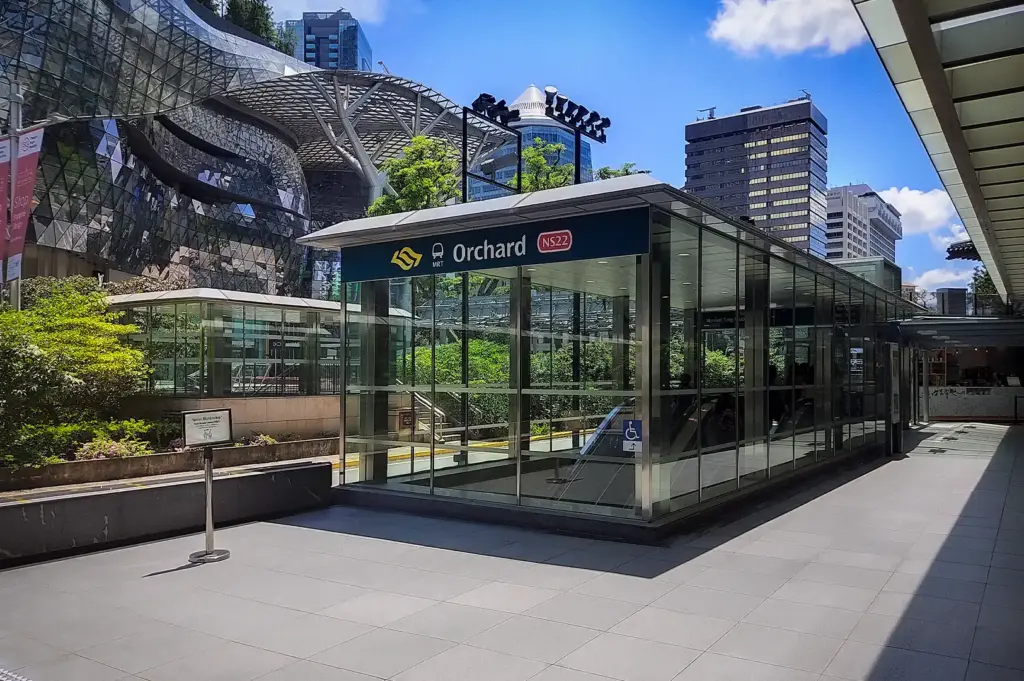
One reason Orchard Road remains convenient is its accessibility.
Three major MRT stations serve different sections of the shopping district:
- Orchard MRT Station: Convenient for the central shopping area and nearby Scotts Road junction.
- Somerset MRT Station: Serves the middle section of Orchard Road.
- Dhoby Ghaut MRT Station: Provides connections to several MRT lines near the eastern end.
Visitors can also travel by buses or taxis. When planning a walking route, it’s useful to check which side of the street your destination is on. A mall on the left side of your route may require using a pedestrian crossing or underground connection. Rather than automatically turning left at every junction, follow directional signs and MRT exits.
Understanding Orchard Road’s Smoking Ban
An important rule visitors should know concerns smoking. Since January 2019, Orchard Road has operated as a designated No Smoking Zone, with its boundaries expanded in 2024.
Smoking is prohibited in covered public areas and other designated spaces throughout the precinct, except within approved smoking areas. Visitors should follow posted signs and check current National Environment Agency guidance.
Why Orchard Road Still Matters
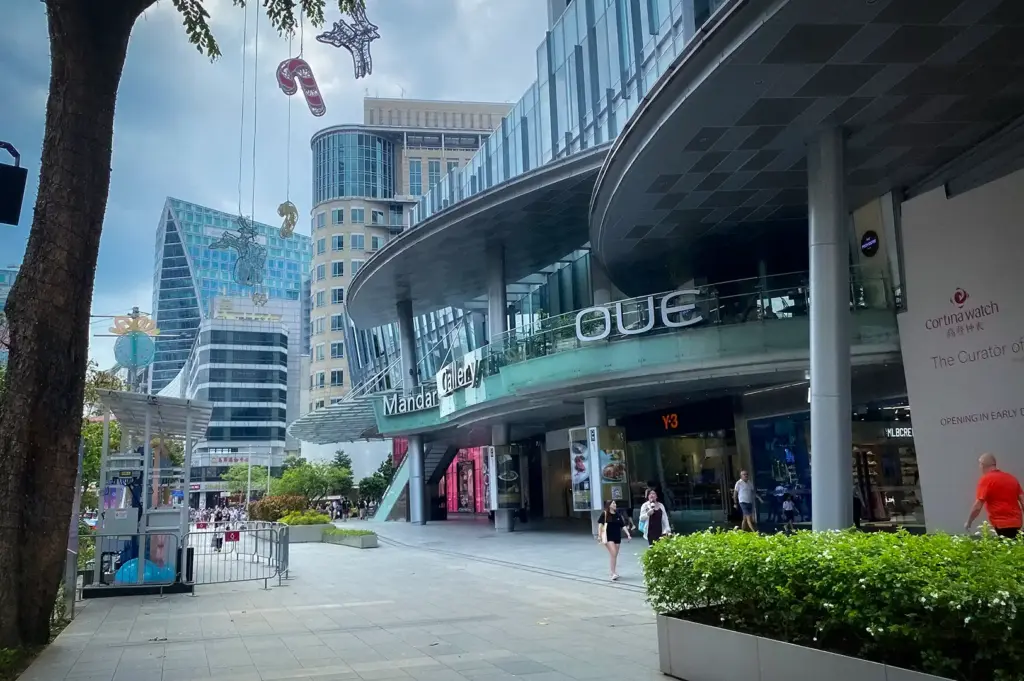
Whether it’s a quiet Monday morning, a crowded Saturday afternoon, or a Sunday evening walk, Orchard Road continues to hold different meanings for different people.
Some visit for shopping, others for food, and many simply enjoy the familiarity of the neighbourhood. Perhaps that’s what makes Orchard special. Beyond the changing buildings and busy streets, it remains a place where ordinary moments become lasting memories.